
What would you do if your beloved pet suddenly disappeared?
In today’s interconnected world, the ability to understand more than one language is a powerful advantage, and ¡Se perdió Lola! (Lola is Lost!) Beautifully supports that journey through bilingual storytelling.
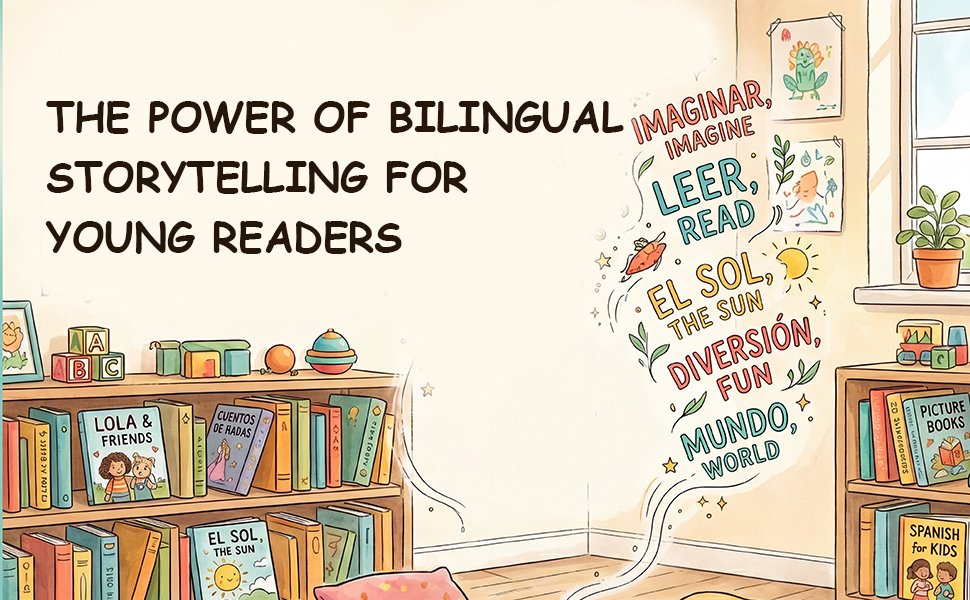
This engaging children’s book presents its narrative in both Spanish and English, making it an ideal resource for young learners, parents, and educators. Offering the same story in two languages allows children to naturally connect words, meanings, and sentence structures without feeling overwhelmed. Instead of memorizing vocabulary in isolation, they experience language in context, which is far more effective and enjoyable.
Bilingual books like this play an important role in building confidence. Children learning a second language can read in the language they are more comfortable with while gradually exploring the other language. This side-by-side structure encourages curiosity and reinforces comprehension, helping young readers feel accomplished rather than frustrated.
Beyond language development, Lola is Lost! also promotes cultural awareness. Language is deeply tied to identity, and stories like this allow children to experience different cultural expressions, emotions, and communication styles. It creates a sense of connection, especially for bilingual or multicultural families who want their children to embrace both languages.
Another valuable feature of the book is its educational component. With built-in comprehension questions and activities focused on verbs, adjectives, and prepositions, it goes beyond storytelling and becomes an interactive learning tool. This makes it perfect for both classroom use and at-home learning.
Ultimately, ¡Se perdió Lola! is more than just a children’s story; it is a bridge between languages, cultures, and learning experiences. It proves that education can be both meaningful and enjoyable when storytelling is at its heart.
This engaging children’s book presents its narrative in both Spanish and English, making it an ideal resource for young learners, parents, and educators. Offering the same story in two languages allows children to naturally connect words, meanings, and sentence structures without feeling overwhelmed. Instead of memorizing vocabulary in isolation, they experience language in context, which is far more effective and enjoyable.
Bilingual books like this play an important role in building confidence. Children learning a second language can read in the language they are more comfortable with while gradually exploring the other language. This side-by-side structure encourages curiosity and reinforces comprehension, helping young readers feel accomplished rather than frustrated.
Beyond language development, Lola is Lost! also promotes cultural awareness. Language is deeply tied to identity, and stories like this allow children to experience different cultural expressions, emotions, and communication styles. It creates a sense of connection, especially for bilingual or multicultural families who want their children to embrace both languages.
Another valuable feature of the book is its educational component. With built-in comprehension questions and activities focused on verbs, adjectives, and prepositions, it goes beyond storytelling and becomes an interactive learning tool. This makes it perfect for both classroom use and at-home learning.
Ultimately, ¡Se perdió Lola! is more than just a children’s story; it is a bridge between languages, cultures, and learning experiences. It proves that education can be both meaningful and enjoyable when storytelling is at its heart.